
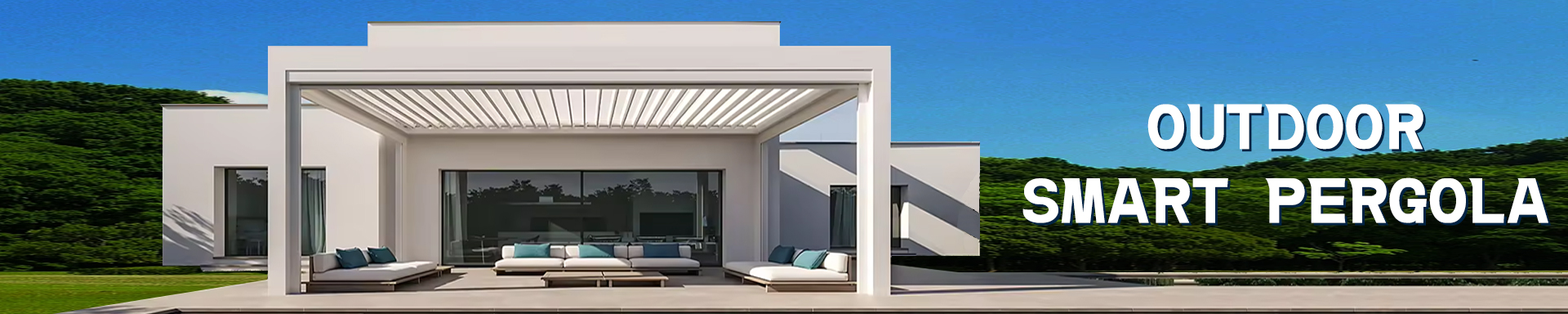
1. Superior Climate Control Compared to Traditional Pergolas
A bioclimatic pergola redesigns outdoor comfort by responding to sun, wind, and rain in real time rather than forcing users to accept fixed conditions. Unlike traditional pergolas with static slats or fabric covers, systems featured on the bioclimatic pergola product range rely on adjustable aluminum louvers to manage heat gain, airflow, and precipitation precisely. This control directly reduces surface temperatures, glare, and humidity buildup, which explains why architects increasingly specify bioclimatic structures for terraces, courtyards, and rooftop lounges in hot or variable climates.
| Feature | Traditional Pergola | Bioclimatic Pergola |
|---|---|---|
| Sun control | Fixed shade, limited adjustment | Adjustable louvers (typically 0–135°) |
| Ventilation | Minimal airflow control | Active airflow through louver gaps |
| Rain handling | Fabric or fixed roof, runoff issues | Interlocking louvers with integrated drainage |
| Thermal comfort | Heat accumulation common | Reduced heat gain through angle control |
1.1 Adjustable Louvers for Sunlight and Shade Regulation
Adjustable louvers allow users to fine-tune solar exposure throughout the day instead of relying on a single shade position. In practice, operators rotate the blades to block high-angle noon sun while still admitting indirect daylight during mornings and afternoons. This dynamic shading approach reduces glare without darkening the space, a common complaint with fixed pergolas or fabric canopies.
In residential patios and café terraces, designers often pair the structure with an aluminum pergola sunshade solution to maintain consistent shading geometry while preserving a clean architectural line. The result feels intentional and controlled, not improvised, which matters in premium outdoor environments.
1.2 Natural Ventilation and Heat Reduction
Bioclimatic pergolas actively support convection. When louvers tilt open, hot air escapes upward while cooler air flows in laterally, creating continuous circulation. This effect lowers perceived temperatures by several degrees without mechanical cooling, especially in pool decks, garden lounges, and rooftop bars where heat stagnation usually becomes a problem.
Traditional pergolas trap warm air beneath fixed roofs, particularly under polycarbonate or dense wood slats. By contrast, bioclimatic systems let users adjust airflow minute by minute, aligning comfort with real weather conditions rather than seasonal averages.
1.3 Rain Protection Without Blocking Airflow
Rain protection does not require sealing the space. When sensors or manual controls close the louvers, interlocking blades form a watertight surface that channels water into concealed gutters and downspouts. Users stay dry while maintaining side ventilation, which prevents the damp, enclosed feeling common under fixed roofs.
This balance proves valuable in coastal homes and commercial terraces where short, intense rainstorms occur alongside high humidity. Instead of retreating indoors, occupants continue using the space comfortably, which directly increases functional outdoor hours and overall property value.
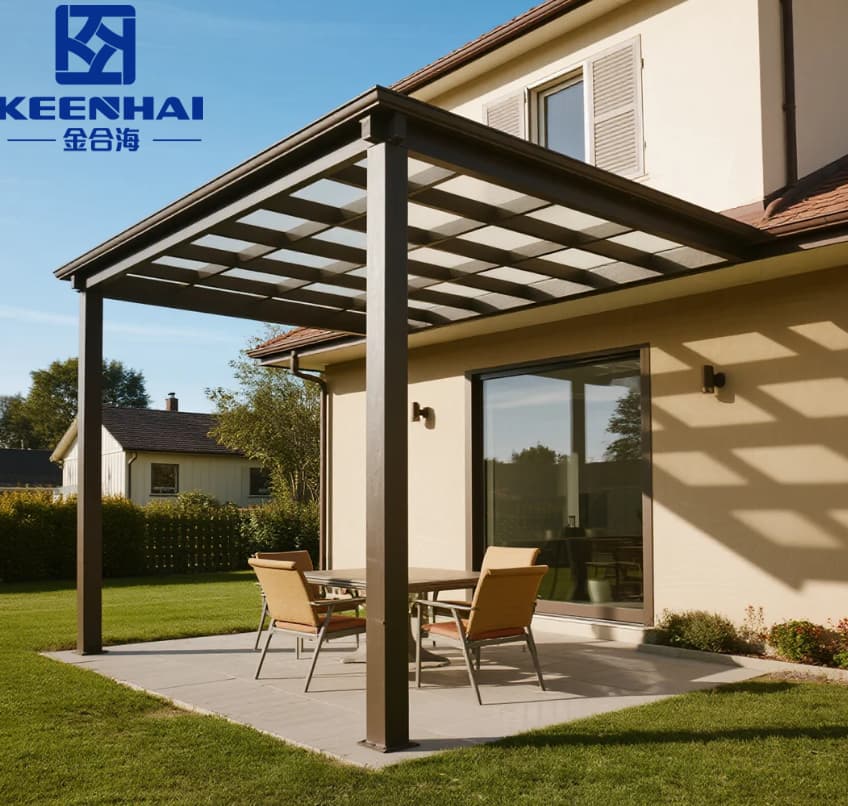
2. Greater Functional Flexibility and Year-Round Usability
A bioclimatic pergola extends outdoor usability beyond fair-weather scenarios by combining adjustable structure, responsive controls, and modular add-ons. Instead of forcing owners to choose between “open” or “covered,” it allows continuous adjustment based on real conditions, which directly increases how often the space gets used throughout the year. Restaurants, villas, and resorts report higher utilization rates because the pergola adapts to climate shifts within minutes rather than requiring seasonal changes or temporary covers.
2.1 Multi-Season Outdoor Use Versus Fixed Roof Structures
Fixed roof pergolas lock users into a single performance mode. In summer, they trap heat; in winter, they block light without providing insulation. Bioclimatic pergolas change behavior across seasons by adjusting louver angles, drainage, and airflow.
For example, poolside installations often rely on an aluminum poolside pergola system to handle strong sun, reflected heat, and sudden rain. During peak summer, operators tilt louvers to reduce solar gain; in cooler months, they open blades fully to maximize daylight and passive warmth. This seasonal adaptability makes the structure usable 10–12 months a year instead of just a few.
2.2 Seamless Transition Between Open and Closed States
One of the most practical advantages lies in how quickly the structure transitions. Users typically manage this process through manual cranks, wall switches, or motorized controls. A standard adjustment sequence looks like this:
-
Rotate louvers incrementally to regulate sunlight without blocking airflow.
-
Close blades fully when rain begins, activating integrated drainage channels.
-
Reopen partially once precipitation stops to restore ventilation and light.
This smooth transition prevents the “all-or-nothing” limitation of fixed pergolas, where users either tolerate discomfort or abandon the space entirely.
2.3 Comfort Performance in Hot, Rainy, and Windy Conditions
Comfort under variable weather defines real usability. In high-heat environments, adjustable louvers reduce radiant heat while maintaining airflow. During rain, interlocking blades and concealed gutters manage water without sealing the space. In windy conditions, partial closure lowers turbulence instead of amplifying it like flat roofs often do.
The key advantage is control, not enclosure. Users fine-tune conditions rather than reacting after discomfort appears, which explains why bioclimatic pergolas outperform traditional designs in climates with frequent weather changes.
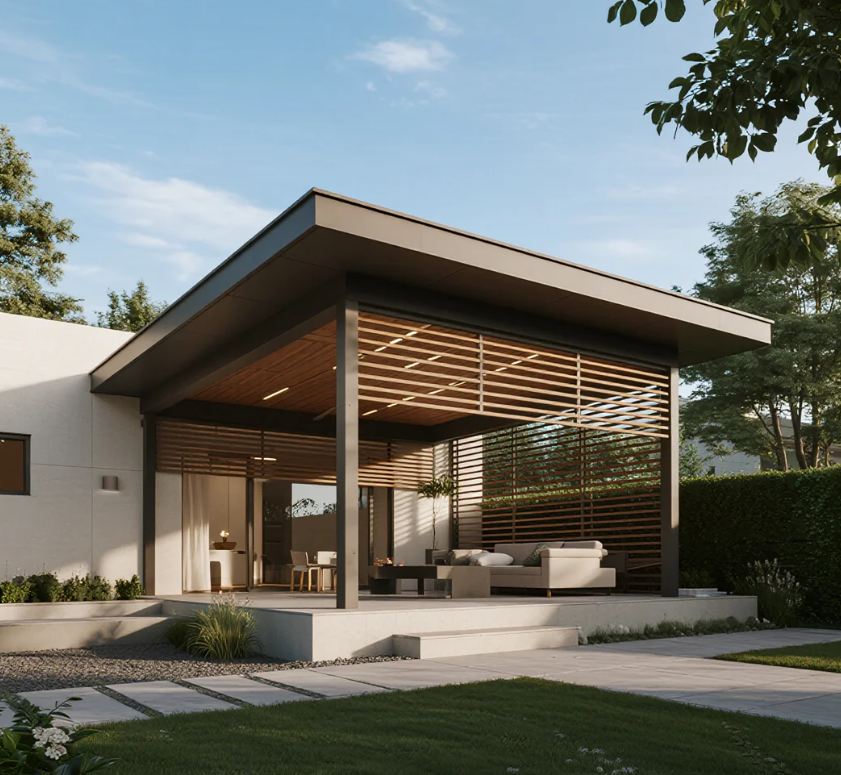
3. Higher Durability and Lower Long-Term Maintenance
Durability directly determines whether a pergola becomes a long-term asset or an ongoing expense. Bioclimatic pergolas focus on structural stability, surface treatment, and weather resistance, which explains why they outperform traditional pergolas over a 10–20 year lifespan. Instead of frequent repairs, owners invest once and spend far less on upkeep, replacements, and downtime.
3.1 Aluminum Structures vs Wood or Steel Frames
Material choice defines structural reliability. Aluminum frames resist moisture absorption, dimensional change, and surface degradation, while wood expands, cracks, and attracts insects, and steel risks corrosion without constant coating. A modern bioclimatic pergola built on aluminum profiles maintains consistent load performance and alignment year after year, even in coastal or high-humidity regions.
| Frame Material | Structural Stability | Weather Resistance | Typical Maintenance |
|---|---|---|---|
| Aluminum | High, no warping | Excellent, corrosion-resistant | Minimal, periodic cleaning |
| Wood | Variable, prone to warping | Poor without sealing | Frequent sanding, repainting |
| Steel | High initially | Moderate, rust risk | Regular anti-corrosion treatment |
This material advantage explains why aluminum-based systems dominate commercial and residential premium projects.
3.2 Resistance to Corrosion, Warping, and UV Damage
Outdoor structures fail when surfaces degrade faster than expected. Aluminum pergolas use powder-coated or anodized finishes that block oxidation and UV breakdown. Unlike painted steel or stained wood, the surface does not peel, fade unevenly, or crack under sun exposure.
In hot climates, UV resistance prevents color chalking; in rainy zones, corrosion resistance protects joints and fasteners. Structural geometry stays stable, which keeps louvers aligned and drainage channels functional over time.
3.3 Reduced Maintenance Frequency and Lifetime Costs
Lower maintenance directly translates into lower ownership cost. Owners typically follow a simple care cycle:
-
Rinse surfaces with water every 2–3 months to remove dust and salt.
-
Inspect fasteners and louvers annually for debris buildup.
-
Lubricate moving components once a year if the system uses manual or motorized controls.
This schedule replaces the repainting, sealing, and rust treatment required by traditional pergolas, cutting long-term maintenance costs by a wide margin. Over a decade, aluminum-based bioclimatic systems consistently cost less to maintain while preserving appearance and performance.
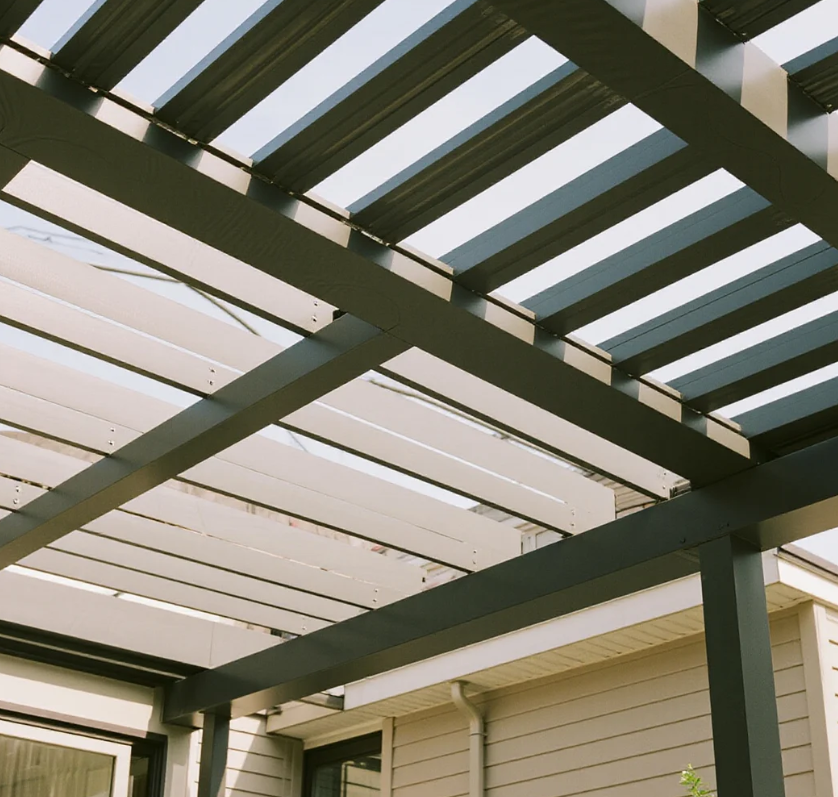
4. Smart Automation and Integrated Control Advantages
Smart automation turns a pergola from a static shelter into a responsive outdoor system. A Bioclimatic Pergola equipped with motors, sensors, and centralized controls reacts faster than users can, which protects furniture, improves comfort, and reduces daily manual adjustments. This capability matters most in regions with sudden weather changes, where minutes make a difference.
4.1 Motorized Louver Systems vs Manual Adjustments
Motorized louvers deliver precision that manual cranks cannot match. Users adjust blade angles in degrees rather than rough positions, which directly controls sunlight, airflow, and rain sealing. A typical motorized adjustment cycle follows:
-
Set louver angle to reduce direct sun while keeping ventilation.
-
Close blades fully when rainfall starts to activate integrated drainage.
-
Reopen partially once conditions stabilize to restore airflow.
This accuracy eliminates uneven shading and delayed responses common with manual systems, especially on large spans.
4.2 Sensors for Rain, Wind, and Sunlight
Automation gains real value when sensors take control. Rain sensors trigger immediate closure before water enters the space. Wind sensors shift louvers to safer angles during gusts. Sun sensors adjust blades throughout the day to limit heat buildup. These reactions happen automatically, even when no one is present, which reduces material stress and prevents avoidable damage to outdoor furnishings.
4.3 Compatibility with Smart Home and Remote Control Systems
Modern pergola controls integrate smoothly with home automation platforms and mobile apps. Users manage settings through wall panels, remotes, or smartphones, and some systems support voice commands. Centralized control allows owners to synchronize pergola movement with lighting, heating, or shading routines, creating a cohesive outdoor environment. For projects requiring a scalable system architecture, integrated solutions listed on the bioclimatic pergola product overview show how automation supports both residential and commercial layouts without adding operational complexity.
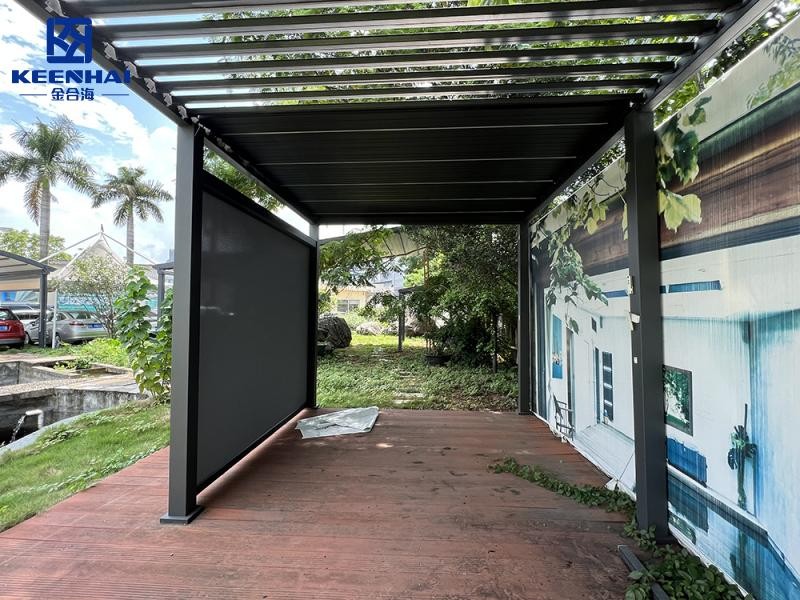
5. Stronger Value for Residential and Commercial Properties
A bioclimatic pergola does more than provide shade—it reshapes how outdoor space contributes to property value. Compared with traditional pergolas, it functions as a semi-permanent architectural upgrade, one that buyers, tenants, and operators can immediately understand and use. This direct usability explains why property owners increasingly view it as an investment rather than a decorative add-on.
5.1 Visual Appeal and Modern Architectural Integration
Clean aluminum profiles, concealed drainage, and adjustable louvers allow bioclimatic systems to align with contemporary residential villas, hotels, cafés, and mixed-use developments. Architects often integrate them with glass walls or sliding doors to visually extend interior space outdoors. Unlike fixed wooden pergolas that age unevenly, a well-designed Bioclimatic Pergola maintains consistent lines and finishes, which supports long-term aesthetic value and brand image for commercial properties.
5.2 Increased Property Value and Usable Outdoor Space
Usable outdoor area directly influences property valuation, especially in hospitality and high-end residential markets. A motorized pergola converts terraces, rooftops, and patios into functional zones for most of the year. Real estate appraisers frequently treat these covered areas as premium “expanded living space” rather than seasonal features, since owners can control sun, rain, and airflow on demand. This flexibility often increases perceived square footage without structural expansion.
5.3 Better Return on Investment Than Traditional Pergolas
From a cost-performance perspective, bioclimatic systems outperform traditional pergolas over time. Higher upfront costs offset quickly through increased usability, reduced maintenance, and stronger revenue potential for commercial venues.
| Feature Comparison | Traditional Pergola | Bioclimatic Pergola |
|---|---|---|
| Annual usable months | 4–6 months | 9–12 months |
| Maintenance frequency | High (painting, sealing) | Low (cleaning, inspections) |
| Impact on rental/commercial revenue | Limited | High |
| Long-term ROI | Moderate | Strong |
When owners calculate ROI based on actual days of use and revenue generation, bioclimatic pergolas consistently justify their premium, particularly for restaurants, hotels, and high-value residential properties seeking long-term asset enhancement.